





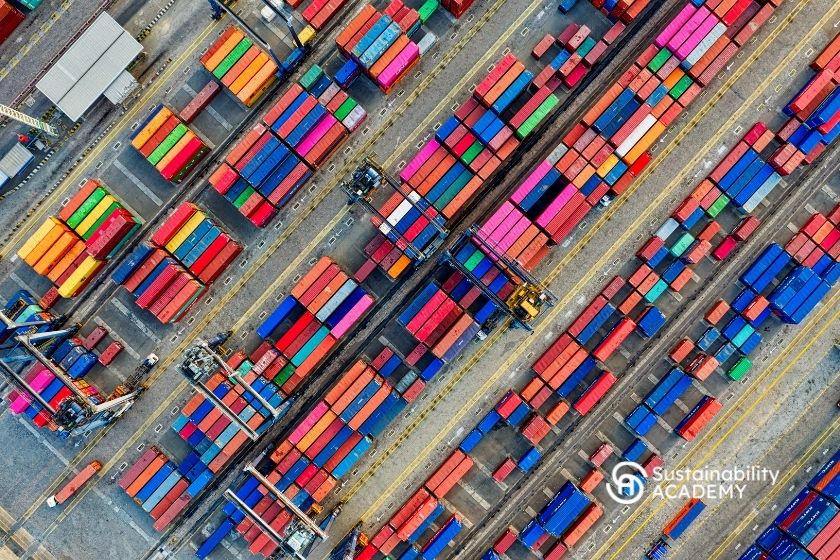
In the modern business landscape, sustainability is no longer an option but a necessity. As consumers demand more eco-conscious products and companies face increased scrutiny on their environmental practices, integrating sustainability into supply chains has become crucial. Sustainable supply chain management (SSCM) is about sourcing materials, manufacturing, and distributing products with a focus on reducing environmental impact and ensuring ethical practices.
The Online Diploma on Sustainable Supply Chain Management offers professionals the opportunity to gain the necessary knowledge and skills to drive sustainability throughout their supply chains. This course equips participants with the tools needed to address both environmental and social challenges, making them leaders in implementing responsible business practices.
Benefits of Sustainable Supply Chain Management
Incorporating sustainability into supply chains offers numerous advantages for businesses. Below are some key benefits of implementing SSCM:
Reduced Environmental Impact
Sustainable supply chains focus on minimizing carbon footprints by using eco-friendly materials, optimizing energy use, and reducing waste. These practices help businesses decrease their environmental impact significantly.
Improved Brand Image and Reputation
Consumers are becoming increasingly aware of the environmental and social implications of their purchases. A well-managed sustainable supply chain can enhance a company’s reputation, leading to increased customer loyalty and trust. Moreover, investors are showing a growing preference for businesses with strong sustainability credentials.
Cost Savings and Efficiency
Sustainability can lead to significant cost savings. By reducing waste, optimizing energy use, and implementing efficient procurement strategies, businesses can lower operational costs. Additionally, a sustainable supply chain is often more resilient, leading to fewer disruptions and greater efficiency.
Compliance with Regulations
With the tightening of global environmental and social regulations, businesses must stay ahead of compliance requirements. Adopting sustainable practices ensures that companies meet both local and international regulations such as the EU’s Sustainable Finance Disclosure Regulation (SFDR) and the Global Reporting Initiative (GRI).
Enhanced Supplier Relationships
Sustainable supply chains encourage companies to collaborate with like-minded suppliers who share similar values. This fosters stronger, long-term relationships based on trust, leading to more resilient and ethical supply chains.
Practical Steps to Implement Sustainable Supply Chain Management
Although implementing sustainable supply chain practices can be complex, the Online Diploma on Sustainable Supply Chain Management provides a structured approach to help professionals implement these practices efficiently. Here are some practical steps businesses can take:
Step 1: Assess Current Supply Chain Practices
Start by evaluating your current supply chain practices, including procurement processes, supplier relationships, waste management, and energy use. Identifying inefficiencies or environmental harms is the first step in making meaningful improvements.
Step 2: Collaborate with Sustainable Suppliers
Building a sustainable supply chain requires working with suppliers who prioritize sustainability. Establish clear criteria for selecting suppliers based on their environmental, social, and ethical practices. This is crucial for reducing your supply chain’s overall environmental footprint.
Step 3: Implement Circular Economy Principles
Circular economy principles—focused on reusing, recycling, and reducing waste—can transform your supply chain. Designing products for longer lifecycles, promoting recycling, and minimizing waste not only benefit the environment but can also reduce costs in the long run.
Step 4: Use Technology for Efficiency
Technology plays a critical role in streamlining sustainable supply chain management. Tools such as the Internet of Things (IoT), artificial intelligence (AI) for forecasting, and blockchain for transparency can help optimize supply chain processes. These technologies allow for improved tracking, reduced waste, and better alignment with sustainability goals.
Step 5: Educate and Train Your Team
It’s essential to educate your team about the importance of sustainability and provide the necessary tools and training. The Online Diploma on Sustainable Supply Chain Management offers comprehensive training on the latest practices, ensuring your team is equipped to implement sustainability initiatives effectively.
Real-World Applications: How Companies Are Leading the Way
Numerous companies across the globe are setting examples in sustainable supply chain management. Take, for instance, Patagonia—a pioneer in sustainable practices. Patagonia has integrated environmental responsibility into every part of its supply chain, from sourcing materials to ensuring ethical labor practices. Their commitment to sustainability has enhanced both their brand and supply chain efficiency.
Another standout example is Unilever, which is working toward making 100% of its agricultural supply chains sustainable. By promoting sustainable sourcing and improving water and energy efficiency, Unilever has reduced its environmental footprint while simultaneously increasing the resilience of its supply chain.
Smaller businesses are also seeing the benefits of adopting sustainable practices. A recent case study of a medium-sized European manufacturer revealed that by implementing sustainable sourcing and waste reduction measures, the company reduced its carbon footprint by 15% in just one year and saved 10% in operational costs.
FAQs on Sustainable Supply Chain Management
1.What is sustainable supply chain management?
Sustainable supply chain management involves managing the flow of goods and services in a way that minimizes environmental impact, ensures ethical labor practices, and reduces waste, while still meeting business objectives and complying with regulatory standards.
2.How long does it take to implement sustainable supply chain practices?
The time it takes to implement sustainable practices varies depending on the size of the business and the complexity of its supply chain. However, most companies start seeing improvements in the first 6-12 months after adopting key sustainability initiatives.
3.Is sustainable supply chain management important for my career?
Yes, sustainable supply chain management is becoming an increasingly sought-after skill in the business world. As more companies prioritize sustainability, having expertise in this area can significantly enhance your career prospects and make you an asset to organizations committed to environmental and social responsibility.
Start Learning Today!
As sustainability continues to gain importance in the business world, professionals with expertise in sustainable supply chain management will be in high demand. The Online Diploma on Sustainable Supply Chain Management from Sustainability Academy offers a comprehensive, practical approach to mastering this vital area.
Register for our certified courses today and gain the skills you need to create more sustainable, efficient, and ethically responsible supply chains—ensuring long-term success for both your business and the planet.
What you get from the course
- Comprehensive introduction and practical knowledge on Sustainable Procurement and Supply Chain Sustainability management
- Case studies, examples and videos
- Additional Module for Specific Sectors
- Sustainable Supply Chain Management Certification by CSE
- Badge issued by Credly
Why choose Sustainability Academy Certified Courses?
- Offer a unique Sustainability Certification accredited by CPD in an affordable manner trusted by global Fortune 500 companies and global accounting firms for their staff education
- Content created by Sustainability thought leaders, professors and trainers with practical experience in the field of sustainability
- Self-paced Courses that can be completed anytime within 45 days
- Up-to-date content revised on annual basis that includes new legislations and trends based in field research
- Joined by thousands of learners from 90 countries, including Sustainability professionals, graduates and entrepreneurs from various sectors
- Receive your certification and badge via Credly, which is valid for one year. You can share your badge directly from Credly to LinkedIn, Twitter, and Facebook; over email; embedded in a website or in your email signature.